
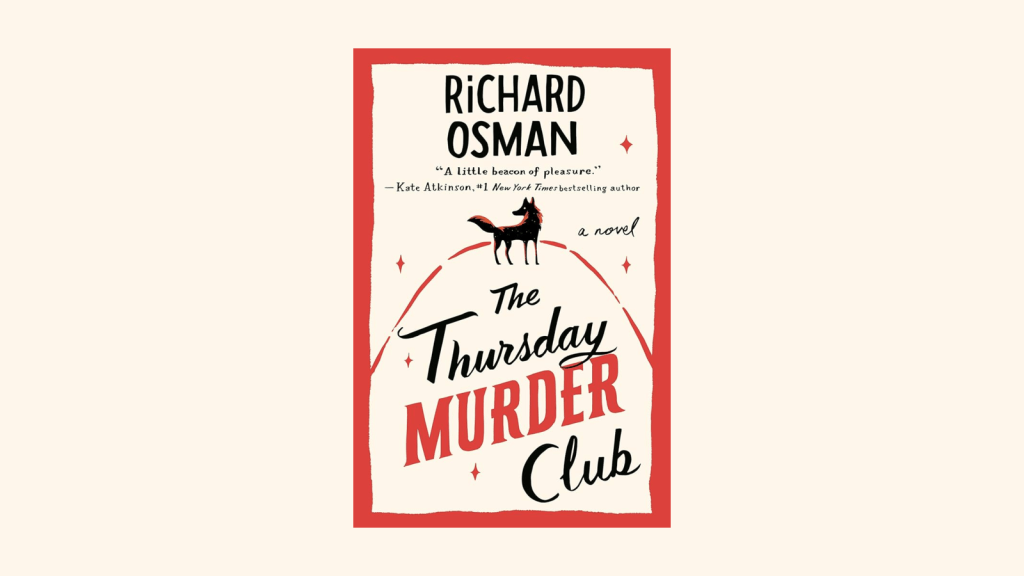
Although I enjoyed this book, in the end I couldn’t help but feel disappointed. I guess part of that is on me. I’ve heard heaps about the Thursday Murder Club. The book has become a franchise with multiple sequels, a TV show and above all I like Richard Osman. I’ve listened to his podcast and really enjoy his presentation and views. I’ve been meaning to read this for ages, and that simmering anticipation probably set this up a little for failure. But I’ll stop myself being dramatic for a second. I liked this book I really did, but I won’t be reading the sequel.
The book in so many parts screams ‘first time writer’. So many writing short cuts were used. The incredibly short chapters (averaging around three pages), the frequent perspective shifts – these devices are cheat codes. Why? Well short chapters are like TikTok videos, the frequent switching and digestible parts keeps readers reading and allows more forgiveness for poor parts of the story. But for writers it means they need to craft a few hundred words, rather than longer narrative arcs which are far harder to do.
The book however does a lot well. I think the characters themselves were great, and the general premise of the aged care home added great scenery and depth to the characters. However, by nature this meant character development was more character reveals. There was less growth, and more backwards looking stories that grew the characters in the eyes of the readers – rather than instigate any character change itself. This dynamic is also reflected weakness of the book, which was the poor plot conclusion.
After introducing one, and then two and soon four or five murderers Osman eventually elects to tie major plot points together neatly via unrelated chance. Characters are quick to open up and explain complicity, murders that seem related simply aren’t and overall this made the story feel less like a single story and more like a list of things that happened to happen.
The creators of South Park (I think) when speaking of narratives have explained the importance of reaction. A caused B. C reacts to B. In this book we had A happens. Also B happens. This lack of connection was probably the result of a convoluted plot that the first time writer couldn’t wrangle up neatly, but also took away from the connection and therefore enjoyment of the book.
 ehhere
Leave a comment