
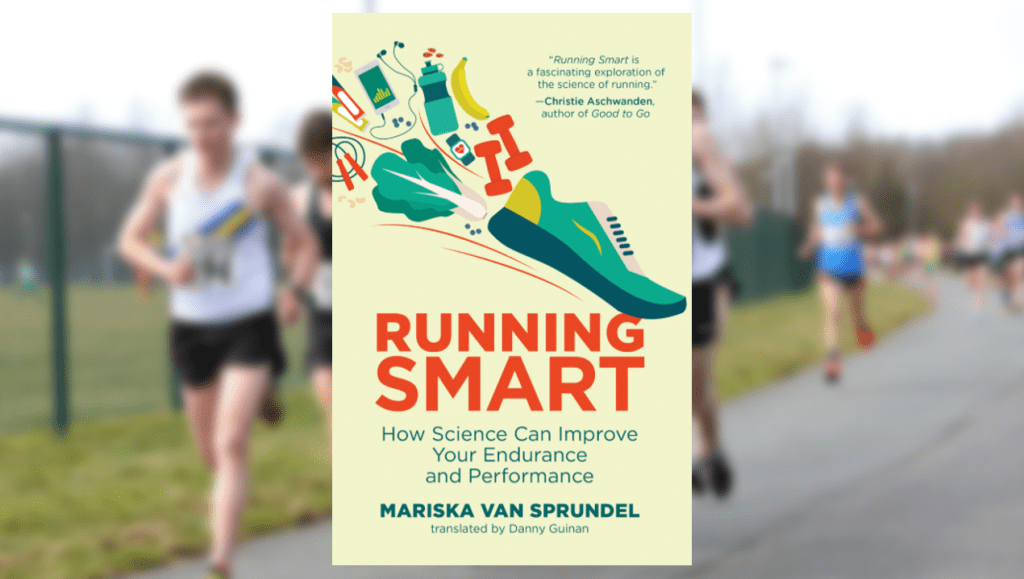
Running Smart acts as a compliment to a hobby runner, discussing topical and novel theories with academic backing. Generally the book was easy enough to get through and had an enjoyable, simple style, but overall it often contradicted itself and offered limited additional practical guidance or insight for runners.
My biggest issue with the book was its inability to provide any direction. Often a topic would be discussed and backed with academic literature only for this to be countered with a similarly academically researched counterpoint. As a discussion this reads well, but for a runner hoping to improve it offered limited practical advise.
What is does do it show how running fads are often just that, and that often the basic approach and knowledge is enough for general runners. With people of different body types and needs, blanket advise would be unwise to provide, this book showed that we need to be in tune with ourselves and considered in our approach, which was a little frustrating when reading for easy tips.
What did I learn? Humans are kind-of built for running and our current static lifestyles certainly inhibit our potential.
Running shoes aren’t necessarily good for you, but neither is barefoot running. You should consider what is comfortable for you and note that this can change if you make changes to your running style. Variety in running style, shoes and routine is often the resilient answer to avoid concentration of issues.
In terms of running style, there is no perfect routine and they each create issues in different areas of the body. Heel striking requires cushioned shoes and can lead to knee issues, mid-foot striking can reduce joint pain but cause issues for your calves or knees. Changing your approach can take time so that you can build up the newly used muscles.
Body types and genetics really don’t matter unless you are planning to compete at the very top. When it comes to injury prevention, there are a lot of considerations. Don’t over train and give your body time to rest!
In terms of timing of food and training your gut, it is important to go to the bathroom before a race or a run (particularly longer runs) and to be careful with what foods you eat before a run.
Running efficiency is the biggest lever to pull when looking for speed (where VO2 and heart health training is limited for peak performance). Consider your running economy and how to improve it. You can also train your brain to combat fatigue as your mind will look to slow you down before you are physically unable to maintain pace.
Running is generally good for mental health.
Overall the book was ok, however it really hammered home the point to me that you need to be present with your body and conscious of how things impact you. I’ll need to keep running, talking and reading more!
 ehhere
Leave a comment